
What Are Green Bonds?
Green Bonds are any type of bond instrument where the proceeds—or an equivalent amount—are exclusively applied to finance or refinance, in part or in full, new and/or existing eligible Green Projects. These projects must align with the four core components of the Green Bond Principles (GBP). Different types of Green Bonds exist in the market, as detailed in the GBP’s Appendix.
Similarities to Conventional Bonds
Environmental Focus
Green Bond proceeds should target projects with clear environmental goals, such as renewable energy, clean transportation, sustainable water management, or energy efficiency.
GBP Compliance
A Green Bond’s compliance with the GBP ensures that issuers meet standards for transparency, disclosure, and reporting—distinguishing these instruments from bonds that are not aligned with the four core components
Social Co-Benefits
Some eligible Green Projects may also bring social advantages. However, if the primary objectives are environmental, these bonds remain “Green Bonds.” When issuers intentionally combine Green and Social Projects, they typically label them as Sustainability Bonds, for which separate guidance is provided under the Sustainability Bond Guide.


Why Interest Rates Are Key
Reduced Debt Servicing Costs
Lower interest rates mean issuers pay less in interest over the life of the bond, making Green Bond issuance a more cost-effective strategy for financing large-scale environmental initiatives.
Improved Market Confidence
As borrowing conditions stabilize, both governments and corporations become more willing to invest in long-term projects, especially those requiring significant upfront capital such as renewable energy development or climate-resilient infrastructure.
Opportunity to Refinance
Many existing projects could be refinanced via new Green Bonds, allowing issuers to restructure their capital for additional environmental benefits or expansions.
Key Highlights of Green Bonds
Tax Exemptions: Enjoy income tax exemptions on interest earned and capital gains tax.
Securitization Benefits: Benefit from securitization, enabling access to larger pools of capital.
Carbon Credit Utilization: Utilize associated carbon credits for write-offs, further enhancing investment attractiveness.
Attractive yields: Competitive yields compared to traditional bonds.
Sustainable Infrastructure: Supports green buildings, sustainable transporation, and eco-friendly infrastructure.
ESG: Aligns with investors' ESG goals and values
Diversification: Provides a unique investment opportunity, diversifying portfolios.
Regulatory Support: Eligible for favorable treatment under environmental regulations.
Access to Impact Investors: Attracts investors seeking environmental impact.
Improved Brand Reputation: Demonstrates commitment to sustainability and environmental responsibility.
Regulatory Incentives: May qualify for incentives, such as tax breaks or subsidies.
Green Bonds: Higher Issuance on the Horizon
Recent forecasts from market analysts suggest Green Bond issuance in 2025 could set new records, with total inflows potentially surpassing USD 600 billion. According to reports from S&P Global Market Intelligence, the expected easing of global interest rates—particularly in developed markets—could spur a surge in new Green Bond sales, as lower borrowing costs make sustainable financing more accessible to a broad range of issuers.
The direction of monetary policy is critical here: if central banks signal a slowdown or halt in rate hikes, many issuers may accelerate capital-raising plans, recognizing that bond markets offer a relatively lower-cost channel for funding green projects. Coupled with strong investor appetite, 2025 is shaping up to be a pivotal year for environmentally focused debt.
Similarities to Conventional Bonds
Environmental Focus
Green Bond proceeds should target projects with clear environmental goals, such as renewable energy, clean transportation, sustainable water management, or energy efficiency.
GBP Compliance
A Green Bond’s compliance with the GBP ensures that issuers meet standards for transparency, disclosure, and reporting—distinguishing these instruments from bonds that are not aligned with the four core components
Social Co-Benefits
Some eligible Green Projects may also bring social advantages. However, if the primary objectives are environmental, these bonds remain “Green Bonds.” When issuers intentionally combine Green and Social Projects, they typically label them as Sustainability Bonds, for which separate guidance is provided under the Sustainability Bond Guide.
Why Interest Rates Are Key
Reduced Debt Servicing Costs
Lower interest rates mean issuers pay less in interest over the life of the bond, making Green Bond issuance a more cost-effective strategy for financing large-scale environmental initiatives.
Improved Market Confidence
As borrowing conditions stabilize, both governments and corporations become more willing to invest in long-term projects, especially those requiring significant upfront capital such as renewable energy development or climate-resilient infrastructure.
Opportunity to Refinance
Many existing projects could be refinanced via new Green Bonds, allowing issuers to restructure their capital for additional environmental benefits or expansions.
Key Highlights of Green Bonds
Tax Exemptions: Enjoy income tax exemptions on interest earned and capital gains tax.
Securitization Benefits: Benefit from securitization, enabling access to larger pools of capital.
Carbon Credit Utilization: Utilize associated carbon credits for write-offs, further enhancing investment attractiveness.
Attractive yields: Competitive yields compared to traditional bonds.
Sustainable Infrastructure: Supports green buildings, sustainable transporation, and eco-friendly infrastructure.
ESG: Aligns with investors' ESG goals and values
Diversification: Provides a unique investment opportunity, diversifying portfolios.
Regulatory Support: Eligible for favorable treatment under environmental regulations.
Access to Impact Investors: Attracts investors seeking environmental impact.
Improved Brand Reputation: Demonstrates commitment to sustainability and environmental responsibility.
Regulatory Incentives: May qualify for incentives, such as tax breaks or subsidies.
Green Bonds: Higher Issuance on the Horizon
Recent forecasts from market analysts suggest Green Bond issuance in 2025 could set new records, with total inflows potentially surpassing USD 600 billion. According to reports from S&P Global Market Intelligence, the expected easing of global interest rates—particularly in developed markets—could spur a surge in new Green Bond sales, as lower borrowing costs make sustainable financing more accessible to a broad range of issuers.
The direction of monetary policy is critical here: if central banks signal a slowdown or halt in rate hikes, many issuers may accelerate capital-raising plans, recognizing that bond markets offer a relatively lower-cost channel for funding green projects. Coupled with strong investor appetite, 2025 is shaping up to be a pivotal year for environmentally focused debt.
Growing Global Market
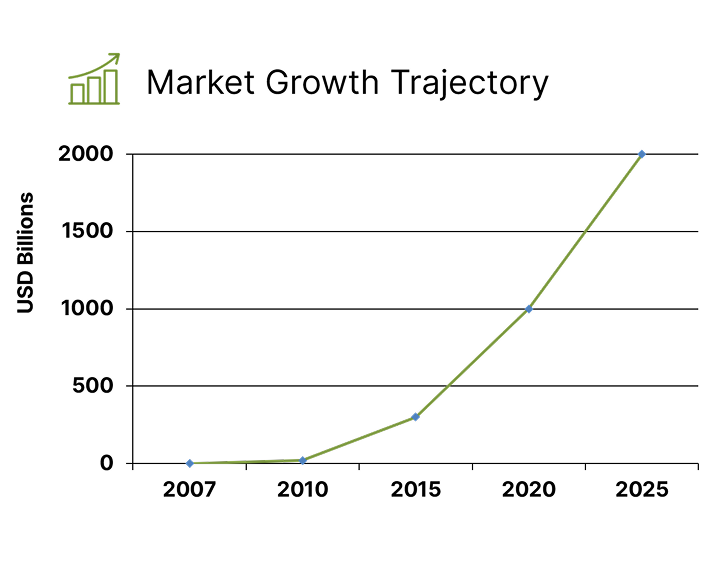
Since the first Green Bond was issued in 2007 by the European Investment Bank (EIB), Green Bonds have expanded into a market exceeding USD 2 trillion. Initially dominated by multilateral development banks like the EIB and the World Bank, issuers now include corporations and governments worldwide. This transformation reflects the wider investment community’s recognition that supporting sustainable initiatives and aiming for stable financial returns are not mutually exclusive.

Regional Trends and Dominant Currencies
Exploring the global landscape of Green Bond markets and their regional dynamics

Europe Leads the Pack
Consistent with earlier years, Europe remains the largest market for Green Bonds, buoyed by sovereign issuances from EU member states, Germany, France, and others. The euro dominates currency share, reflecting the region’s historically strong regulatory framework for sustainable finance.

Growing Us Market
While still lagging in absolute issuance volume compared to the eurozone, the US has seen a notable uptick in corporate and municipal green offerings. Analysts anticipate that as US borrowing costs stabilize, American issuers will further ramp up their presence in the Green Bond space.

Asian Potential
Several Asian nations, notably China, continue to boost their green financing activities. Policymakers and corporate leaders in this region are increasingly using Green Bonds to fund infrastructure and technology aimed at pollution control, clean energy, and transportation overhauls.
Potential Benefits
In other words, you’re getting a better bang for your buck, a tax-exempt, high yielding fixed income instrument that provides tax write-offs.


Key Tasks To Orvia's Green Bond Process
Review Financing Objectives and Options
Conduct Financial Analysis over Different Bond Structures
Conduct a Cost-Benefit Analysis
Advise on Selection
Develop a "Green" Criteria and Management of Proceeds
Review Processes and Controls
Benchmark Green Bond Framework
Quantify Associated Benefits
Identify Climate bond Category Conduct Capacity
Develop Monitoring and Reporting KPI's
Support Internal/External Report
Europe’s Leading Role
Europe remains at the forefront of Green Bond issuance, driven by both corporate and sovereign issuers with robust green frameworks. As of 2022, euro-denominated Green Bonds represented 52% of the global market. The US dollar, Chinese renminbi, pound sterling, Swedish krona, and Canadian dollar also feature prominently—though the dominance of the euro reflects Europe’s longstanding commitment to sustainability and the maturity of its Green Bond ecosystem.
Bringing It All Together
Green Bonds fuse the familiar mechanics of traditional bonds with the added benefit of financing environmentally focused projects. Issuers worldwide, spurred on by regulatory changes and investor demand, have made Green Bonds one of the fastest-growing segments of the fixed-income market. Whether you’re an institution aligning with global climate goals or an individual aiming to make a positive environmental impact, Green Bonds offer a transparent, accountable way to invest in a sustainable future.
Disclaimer
The information contained in this article is for educational purposes only and does not constitute financial advice or an endorsement of any specific security. All investments carry risk, including the possible loss of principal. Consult a qualified financial advisor to determine how any investment aligns with your individual needs and goals.
What We Stand For
Not just advisory—architects of wealth that outlast time.
Orvia was founded on a bold idea: that real-world value should be just as accessible and secure as digital finance. Inspired by the strength of ancient trade systems and enabled by modern regulation and technology, we help investors tap into physical wealth—backed by certified assets, stored in high-security vaults, and converted into transparent financial instruments.
Legacy-Driven Strategy
Institutional-Grade Execution
Behavioral Risk Intelligence
Sustainability with Performance
Discretion and Trust Above All
Who We Serve
We advise and structure solutions for ultra-high-net-worth individuals seeking to unlock liquidity from underutilized or illiquid assets. We support family offices and sovereign wealth stakeholders who require advanced structuring strategies without dilution. Additionally, we assist founders, fundraisers, and ventures preparing to raise capital, attract institutional investors, or position for an IPO. Whether you’re holding legacy wealth or building the next great company, Orvia structures your value to perform.
UHNW Individuals & Families
Asset generational structures for ultra-high-net-worth families seeking privacy, preservation, and long-term legacy across global jurisdictions.
Sovereign Entities & Private Banks
Strategic asset structuring and compliant financial instruments tailored for state-backed ventures and elite private banks.
Legal Advisors & Trustees
Support and asset intelligence to help legal professionals and trustees manage high-value holdings with compliance and precision.
Luxury Asset Holders & Collectors
Helping asset holders and collectors who want to turn their rare assets into regulated, bankable financial instruments.
CEOs, Founders & Board Executives
We have developed advisory and structuring support for scaling, liquidity events, and strategic exits for high-profile executives.
Impact-Driven Investors & ESG Funds
Creation of sustainable financial frameworks in order to align returns with measurable environmental and social impacts.
Meet The Associates
Full Name
Title
Full Name
Title
Full Name
Title
Full Name
Title
Full Name
Title
Full Name
Title